
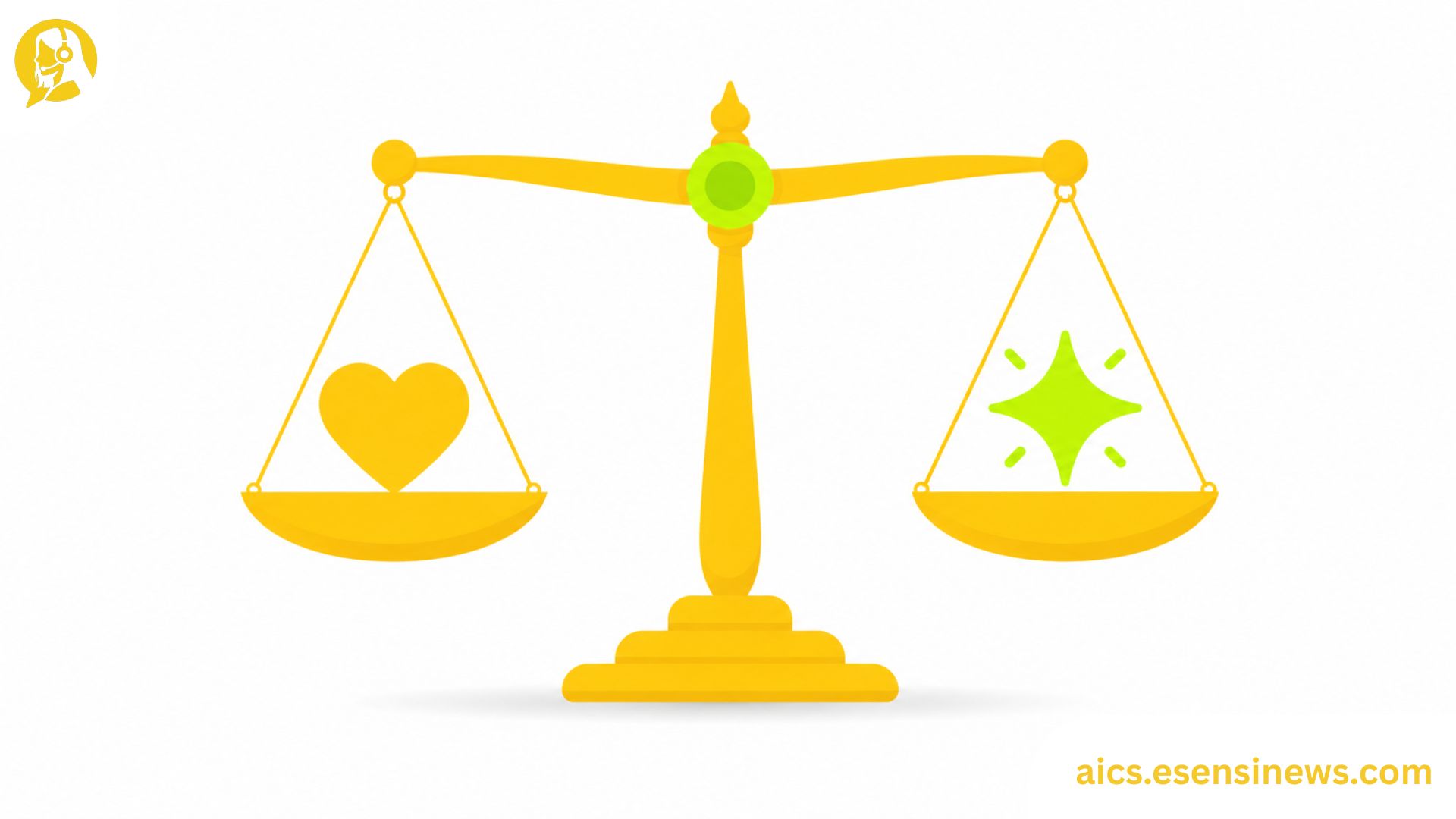
Most conversations about artificial intelligence customer care focus on speed, efficiency, and loyalty metrics. Far fewer focus on a quieter but just as important question: is the AI treating all of your customers fairly? This is one of the more uncomfortable questions in the field right now, and it’s worth sitting with seriously.
AI systems learn from historical data. If that data reflects past human biases, the AI can replicate and even amplify those patterns in ways that are invisible to most dashboards. A customer who consistently gets slower AI responses, less helpful suggestions, or faster escalation to frustrating dead-ends may never know why, and your team might not either unless you’re actively looking for it.
This guide isn’t meant to be alarmist. Artificial intelligence customer care can genuinely work in ways that are fair, transparent, and trustworthy. But it takes deliberate effort, not just good intentions. Here are six specific ethics questions worth building into your AI evaluation and governance process.
Why Ethics Matters Specifically in Customer Care AI
Customer care, by its nature, involves moments when people are often already stressed, confused, or frustrated. The fairness of how AI treats those moments has real stakes, both for individual customers and for long-term trust in your brand.
There’s also a growing regulatory dimension. Consumer protection frameworks and AI-specific regulations are evolving quickly, and companies that have already been asking these questions proactively tend to be better positioned when external scrutiny arrives.
A Simple Way to Frame It
Think about how you’d want a new team member to behave in your most sensitive customer conversations: consistent, honest, fair regardless of who they’re talking to, and never pretending to be something they’re not. Those same expectations apply directly to artificial intelligence customer care, just at a much larger scale.
6 Ethics Questions CX Teams Should Be Asking
1. Is the AI Trained on Representative Data?
If the data used to train your AI customer care system overrepresents certain types of customers, regions, or communication styles, the system may perform noticeably better for some groups than others. Ask your vendor directly what demographic and linguistic diversity was built into the training data.
2. Can You Detect Differential Performance Across Customer Groups?
Performance metrics like resolution rate or satisfaction scores should ideally be reviewed across different customer segments, not just in aggregate. A system that performs well on average but unevenly across groups deserves closer attention.
3. Are Automated Decisions Explainable?
When AI makes a meaningful decision, like routing a customer to a lower priority queue or declining a request automatically, can that decision be explained clearly if questioned? Transparency here isn’t just good ethics, it’s increasingly a regulatory expectation in many markets.
4. Are Customers Told When They’re Interacting With AI?
Many consumer advocates and regulators consider this a baseline expectation. Your artificial intelligence customer care system should make its nature clear to customers, not just bury a mention in fine print.
5. How Are Edge Cases and Mistakes Handled?
Every AI system will occasionally produce a wrong or inappropriate response. What happens next matters enormously. Is there a clear process for customers to escalate, report, and get meaningful resolution when AI gets it wrong?
6. Who Is Accountable When Things Go Wrong?
AI doesn’t hold responsibility the way a person does. Defining clearly which team or role owns AI customer care quality, reviews performance regularly, and has authority to make changes is essential for responsible deployment.
Building Ethics Into Your AI Customer Care Governance
Rather than treating these questions as a one-time checklist, the strongest teams build ongoing governance practices around them.
- Schedule regular audits of AI performance across customer segments, not just overall averages.
- Assign a named owner for AI customer care quality, with authority to escalate concerns and make changes.
- Create an accessible channel for customers to report AI issues, separate from a general complaints process.
- Include ethics review as part of any significant AI configuration change, not just initial setup.
- Stay current on evolving regulations in your market, since AI transparency requirements are shifting in many regions.
Pros and Cons of Building Ethics Into Your AI Customer Care Practice
Pros ✅
- Builds genuine, durable customer trust rather than just transactional satisfaction
- Reduces regulatory risk as AI-specific consumer protection rules continue to evolve
- Surfaces hidden performance issues that aggregate metrics often miss
- Strengthens internal accountability across teams that touch AI systems
- Differentiates your brand in markets where customers increasingly care about responsible technology use
Cons ❌
- Requires ongoing effort, not a one-time review
- Can be challenging to implement without dedicated resources or clear ownership
- Some vendors may not provide full transparency into training data or model behavior
- Establishing meaningful benchmarks for fairness takes time and expertise
- Results aren’t always visible quickly, since trust builds gradually
Common Mistakes Teams Make Around AI Ethics in Customer Care
- Treating ethics as a compliance exercise rather than an ongoing quality practice
- Reviewing only aggregate performance data, missing differential impacts on specific customer groups
- Skipping transparency with customers about when and how AI is used
- Failing to assign clear accountability for AI customer care quality
- Assuming good intentions are sufficient without building in active monitoring and review processes
FAQ: Artificial Intelligence Customer Care and Ethics
1. Can AI customer care systems be biased? Yes. AI systems trained on historical data can reflect and amplify existing biases if the training data isn’t carefully reviewed for representation.
2. Should customers always be told they’re talking to AI in a customer care interaction? Most responsible guidelines and increasingly some regulations consider this a baseline expectation, even if implementation varies by region.
3. How do you detect bias in an AI customer care system? Review performance metrics, like resolution rates or satisfaction scores, across different customer segments rather than just in aggregate.
4. Who should be responsible for AI ethics in a customer care team? A named team or individual should own AI quality review, with clear authority to escalate concerns and make changes when issues are identified.
5. Are there regulations governing AI transparency in customer care? Yes, and they’re evolving. Specific requirements vary by region and industry, so staying current on relevant frameworks for your market matters.
6. What happens when AI customer care makes a harmful or wrong decision? A clear escalation process for customers to report issues and receive meaningful resolution is an essential part of responsible AI deployment.
7. Is it possible to build AI customer care that’s both efficient and genuinely fair? Yes, but it requires deliberate design, diverse training data, regular audits, and clear accountability, not just good intentions.
Conclusion
Artificial intelligence customer care done responsibly is entirely achievable, but it doesn’t happen by accident. Asking the right questions early, building ongoing governance practices, and assigning clear accountability are what separate AI deployments that genuinely build trust from ones that quietly erode it over time.
The takeaway? Don’t treat ethics as a final checkbox before launch. Build it into how you evaluate, monitor, and improve your AI customer care practice over the long term. That’s how artificial intelligence customer care becomes something your customers can genuinely trust, not just use.
Ready to Start Asking the Right Questions?
If this guide gave you a clearer framework, bring these six questions into your next vendor review or internal AI governance conversation. Know another CX leader thinking seriously about responsible AI? Share this with them. And if you’re planning to explore more trust-building strategies for your support team, bookmark this page so it’s easy to find again. Here’s to building AI customer care that’s both effective and genuinely trustworthy.


Leave a Reply