
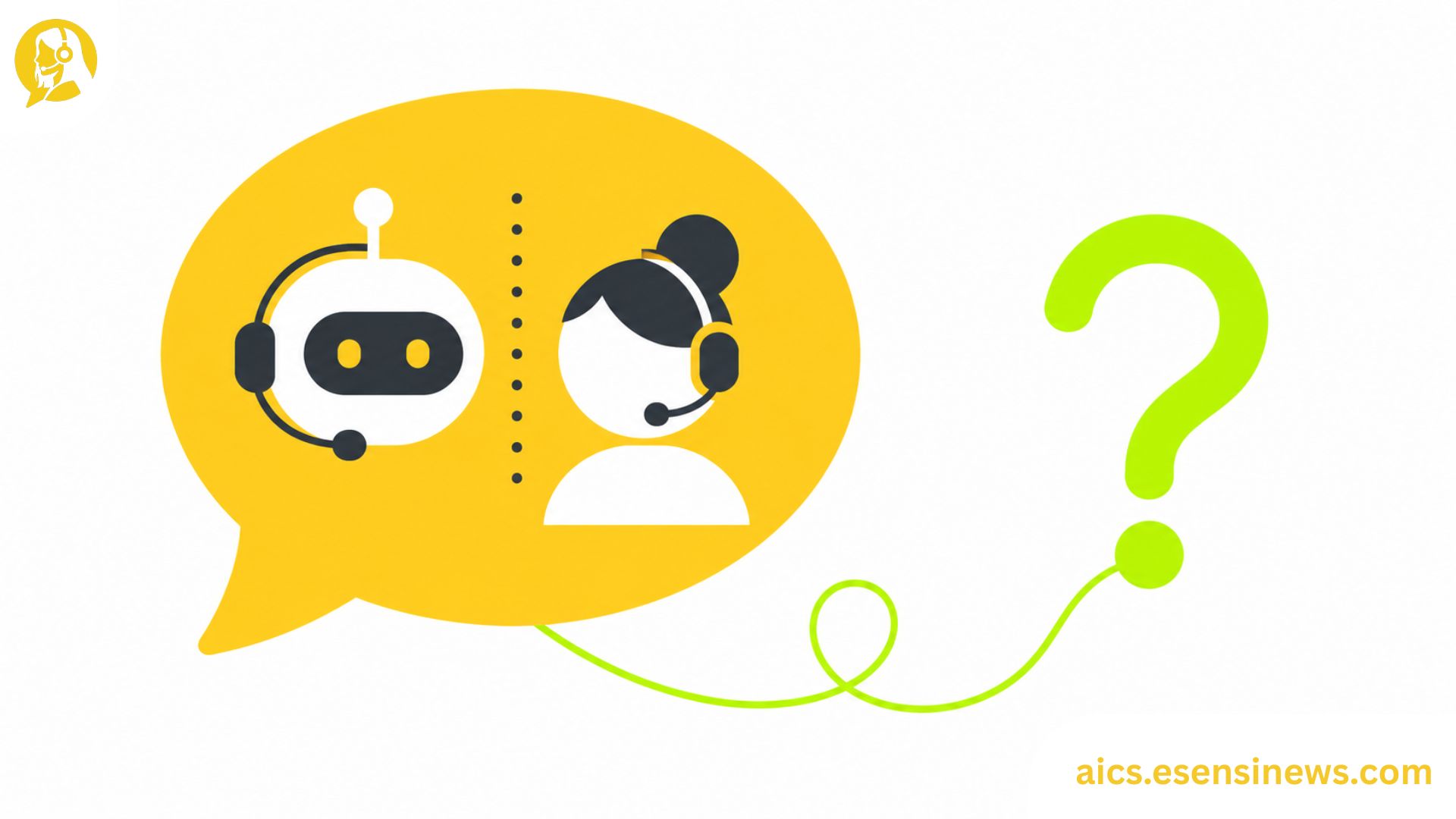
Spend five minutes scrolling LinkedIn and you’ll find no shortage of bold claims about AI and customer service. Some of it is genuinely useful. A lot of it is oversimplified, recycled hype that doesn’t hold up once you actually try implementing it on a real team with real customers.
That gap between the pitch and the reality is exactly where a lot of CX teams get stuck. They either go all-in on AI expecting magic, or they avoid it entirely because the hype feels exhausting and untrustworthy. Neither extreme really serves your team or your customers well.
This guide takes a more grounded look at AI and customer service, separating what’s genuinely useful from what’s mostly marketing noise. We’ll walk through five common myths worth retiring, where AI and customer service actually work well together, and practical ways to use it without losing what makes good support feel human.
Where AI and Customer Service Genuinely Work Well Together
Before diving into the myths, it’s worth grounding this in what actually holds up. AI and customer service pair well in a few clear, well-documented areas:
- Handling repetitive, high-volume questions like order status, account details, or basic troubleshooting
- Providing instant responses outside business hours, when no human team is available
- Supporting agents in real time with suggested responses or relevant knowledge base content
- Surfacing patterns in customer feedback that would take far longer to spot manually
These aren’t hype, they’re consistently reported as genuine, measurable wins across teams that implement AI thoughtfully.
Why the Myths Persist Anyway
If the genuine benefits are this clear, why do so many myths still circulate? Part of it comes down to vendor marketing that understandably highlights best-case scenarios rather than typical results. Part of it comes from a handful of high-profile rollout failures that get more attention than the quieter, successful implementations happening across thousands of support teams every day. And part of it is simply that AI capabilities have improved so quickly that outdated assumptions, formed even just a year or two ago, haven’t caught up with where the technology actually stands now.
Understanding this helps explain why even experienced CX leaders sometimes carry around outdated or oversimplified beliefs about what AI and customer service can realistically achieve together.
5 Myths About AI and Customer Service Worth Retiring
Myth 1: AI Understands Customers as Well as Humans Do
AI is good at recognizing patterns and intent, but it still doesn’t understand context, emotion, or nuance the way a thoughtful human agent does. It can support empathy, but it doesn’t genuinely replicate it.
Myth 2: More AI Always Means Faster Service
Adding AI to every part of your support process doesn’t automatically speed things up. If it’s poorly implemented or stacked on top of broken processes, it can actually slow things down or create new bottlenecks.
Myth 3: AI Customer Service Is Too Expensive for Smaller Teams
Pricing has become far more accessible over the past few years. Many tools now offer scalable plans specifically designed for smaller support teams, not just large enterprises.
Myth 4: Once Implemented, AI Customer Service Runs Itself
This is one of the most common and costly misconceptions. AI needs ongoing review, updated training data, and ongoing tuning as products, policies, and customer needs evolve.
Myth 5: Customers Always Want to Avoid Talking to AI
Many customers are perfectly happy with AI handling quick, simple requests. The real frustration usually comes from poor design or a lack of clear escalation, not the presence of AI itself.
What This Means for Your CX Team
A Simple Way to Think About It
Picture AI and customer service like a good pair of running shoes. They genuinely help you go faster and farther with less strain, but they don’t replace the actual training and effort needed to run well. AI supports your team’s performance, it doesn’t substitute for thoughtful process design or genuine customer care.
Keeping this mental model in mind helps set realistic expectations, both for your team and for leadership who might be hearing a more exaggerated version of AI’s capabilities elsewhere.
Pros and Cons of AI and Customer Service Working Together
Pros ✅
- Reduces repetitive workload, freeing agents for complex conversations
- Provides 24/7 coverage without requiring a full overnight team
- Improves consistency in tone and accuracy across interactions
- Surfaces useful data on recurring customer pain points
- Scales easily during high-volume or seasonal periods
Cons ❌
- Doesn’t replicate genuine empathy, especially in sensitive situations
- Requires ongoing maintenance, not a one-time setup
- Can create new bottlenecks if implemented without clear planning
- May frustrate customers if escalation paths aren’t clear
- Needs realistic expectations to avoid disappointment after launch
Practical Tips for Using AI and Customer Service the Right Way
- Start with your most repetitive, lowest-complexity questions. This is where AI consistently delivers the clearest wins.
- Set realistic expectations with leadership early. Avoid overselling what AI will achieve in the first few months.
- Build in a fast, visible path to a human agent. This single step prevents most common frustrations.
- Review AI performance regularly, treating the first few months as an active tuning period.
- Involve frontline agents in the rollout. They’ll spot gaps and awkward phrasing long before any dashboard metric will.
Common Mistakes Teams Make With AI and Customer Service
- Believing vendor demos reflect real-world performance without testing on actual customer conversations
- Rolling out AI across every channel at once, instead of starting with one focused use case
- Assuming AI requires no ongoing maintenance once it’s initially set up
- Ignoring agent feedback during rollout, missing valuable early warning signs
- Setting unrealistic expectations with leadership, leading to disappointment even when results are genuinely solid
FAQ: AI and Customer Service
1. How are AI and customer service typically used together? AI commonly handles repetitive questions, supports agents with suggested responses, and provides round-the-clock availability for simple customer requests.
2. Does AI in customer service actually save money? It often does over time, especially for high-volume, repetitive tasks, though upfront implementation and ongoing maintenance still require investment.
3. Can small businesses realistically use AI for customer service? Yes. Many providers now offer scalable, affordable plans specifically designed for smaller teams, not just large enterprises.
4. Will AI fully replace human customer service agents? Unlikely in most cases. AI tends to handle repetitive tasks well, while complex or emotionally sensitive conversations still benefit from human agents.
5. Why do some AI customer service rollouts fail? Common reasons include unclear escalation paths, lack of ongoing maintenance, and unrealistic expectations set during the planning phase.
6. How much ongoing work does AI customer service actually require? More than most people expect. Regular review, updated training data, and tuning are necessary to keep performance accurate and relevant.
7. Do customers actually mind talking to AI for customer service? Many don’t, especially for simple, fast requests. Frustration usually comes from poor design or unclear escalation, not the use of AI itself.
Conclusion
AI and customer service genuinely work well together, but only when expectations are grounded in reality rather than hype. AI excels at repetitive, high-volume tasks and round-the-clock availability, while still falling short on genuine empathy and nuanced understanding. Knowing where that line sits helps your team get real value without chasing an oversold promise.
The takeaway? Start with clear, realistic use cases, keep humans in the loop, and treat AI as an ongoing process rather than a one-time fix. That’s how AI and customer service become a genuinely productive partnership instead of just another buzzword on a slide deck.
Ready to Separate Hype From Reality on Your Team?
If this guide helped clear things up, take a few minutes to map your own assumptions about AI against the myths covered here. Know another CX manager who could use a more grounded take on this topic? Share it with them. And if you’re planning to explore more practical AI strategies for customer service, bookmark this page so it’s easy to find again. Here’s to building support that’s smarter, not just trendier.


Leave a Reply